
Every rally, on the record.
Build the draw, score on referees' phones, and every screen shows the call the moment it's saved. The court camera that tracks every shot is in development.
Tracking
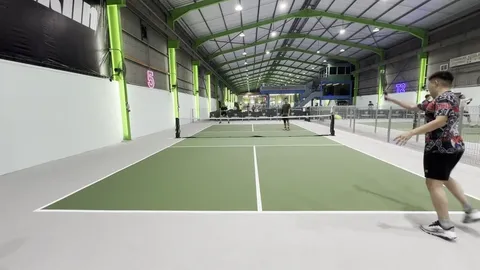
00:00.45AR
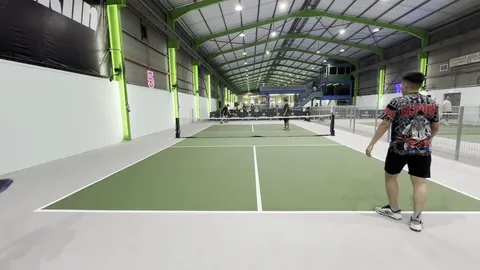
00:01.57BL
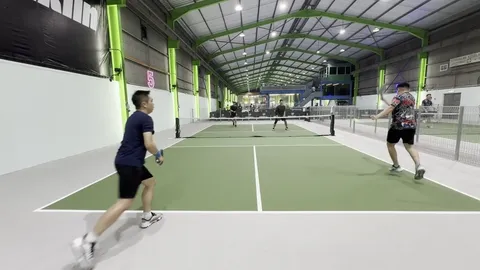
00:03.15AR
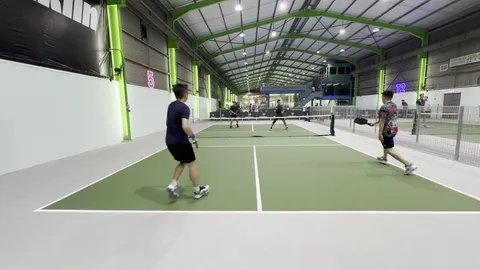
00:03.47BR
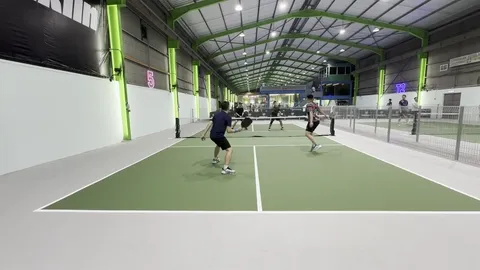
00:04.55BR
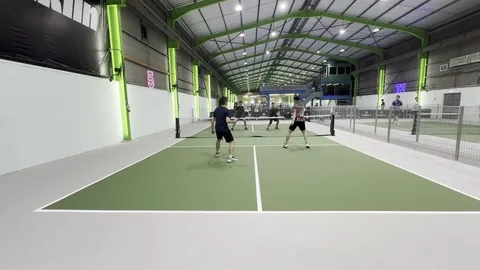
00:05.02AR
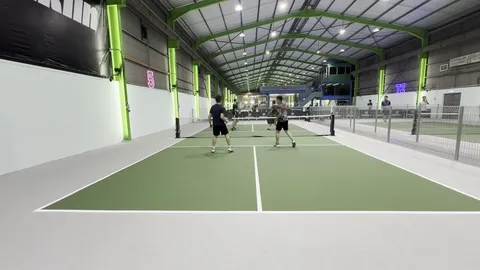
00:05.94BL
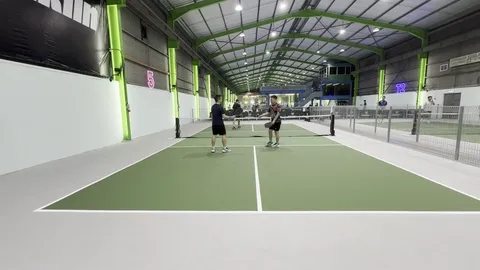
00:06.44AR
Every screen matches the referee's phone.
The referee's tap is the official call. The public live board and the venue screen show that same call within seconds. Real pages, captured from a demo event.
- 00:00.007–5–1
- 00:21.368–5–1
- 00:48.129–5–1
- 01:09.84Official call10–5–1
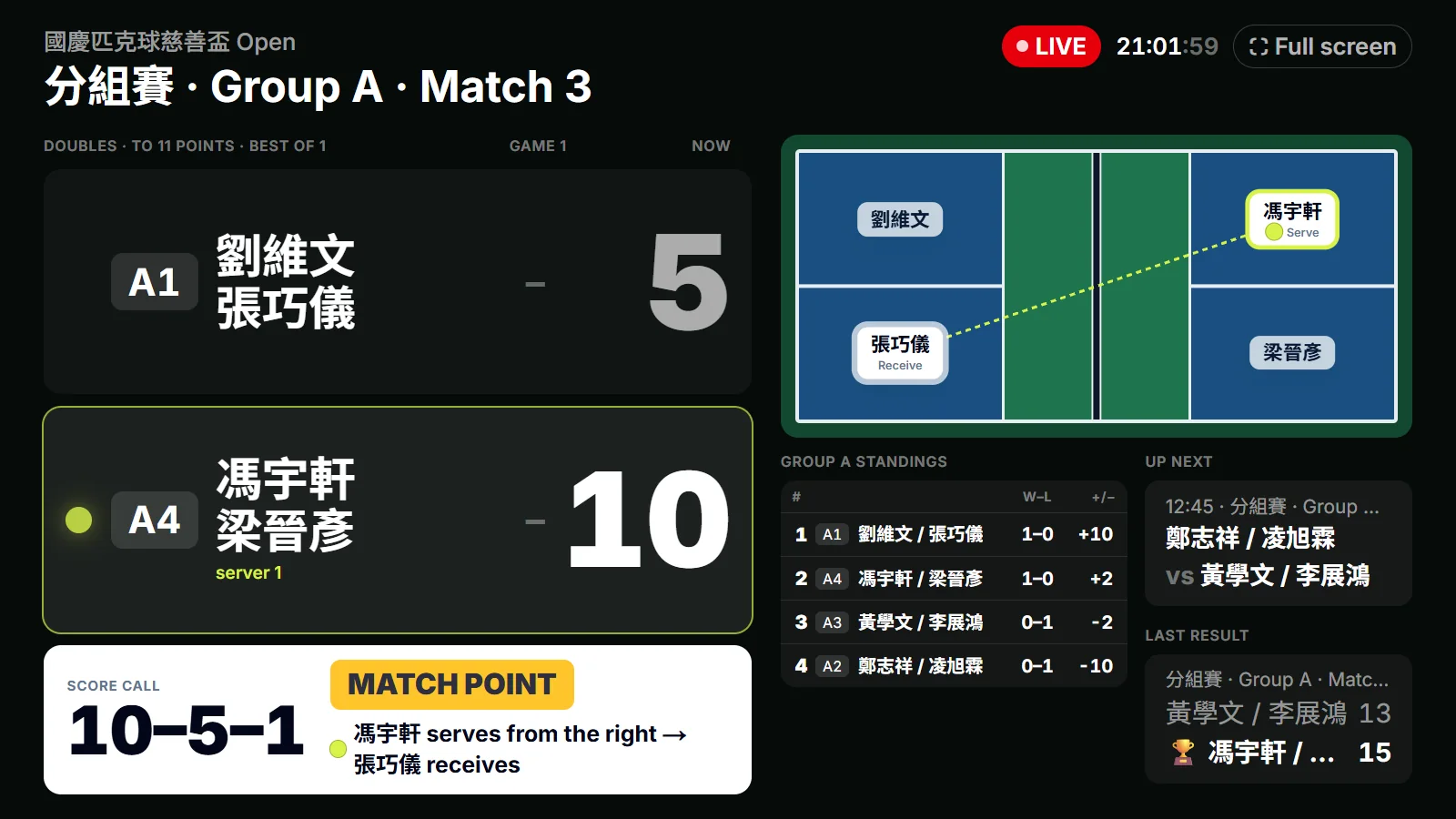
10–5–1Same call · refreshes every 1.5 s
Venue screen · 1600 × 900
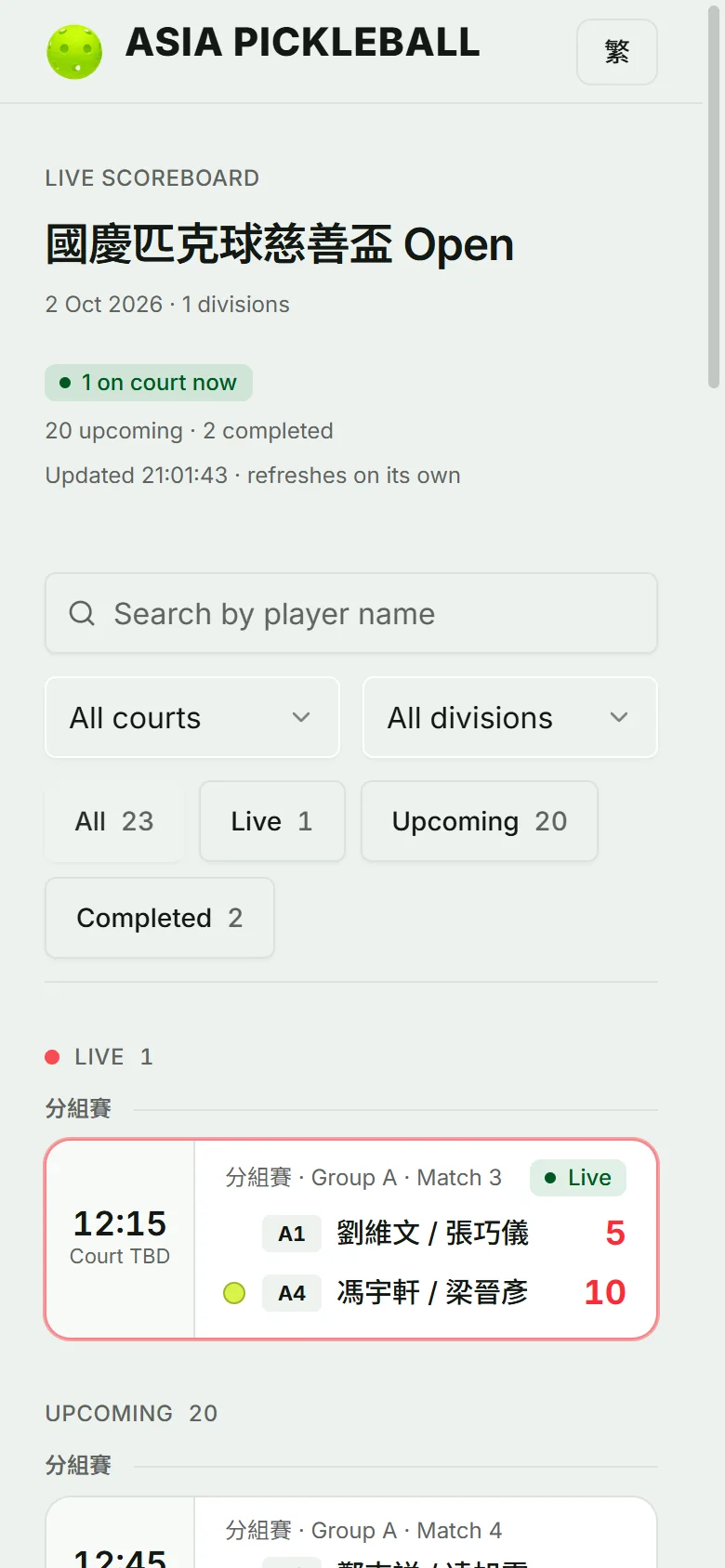
10–5–1Same call · refreshes every 5 s
Live board on a phone · 390 px wide
From one camera to a 3D court
One camera behind the baseline films the point. The AI rebuilds it: every player's joints, every ball flight, every bounce, on a court drawn to scale.
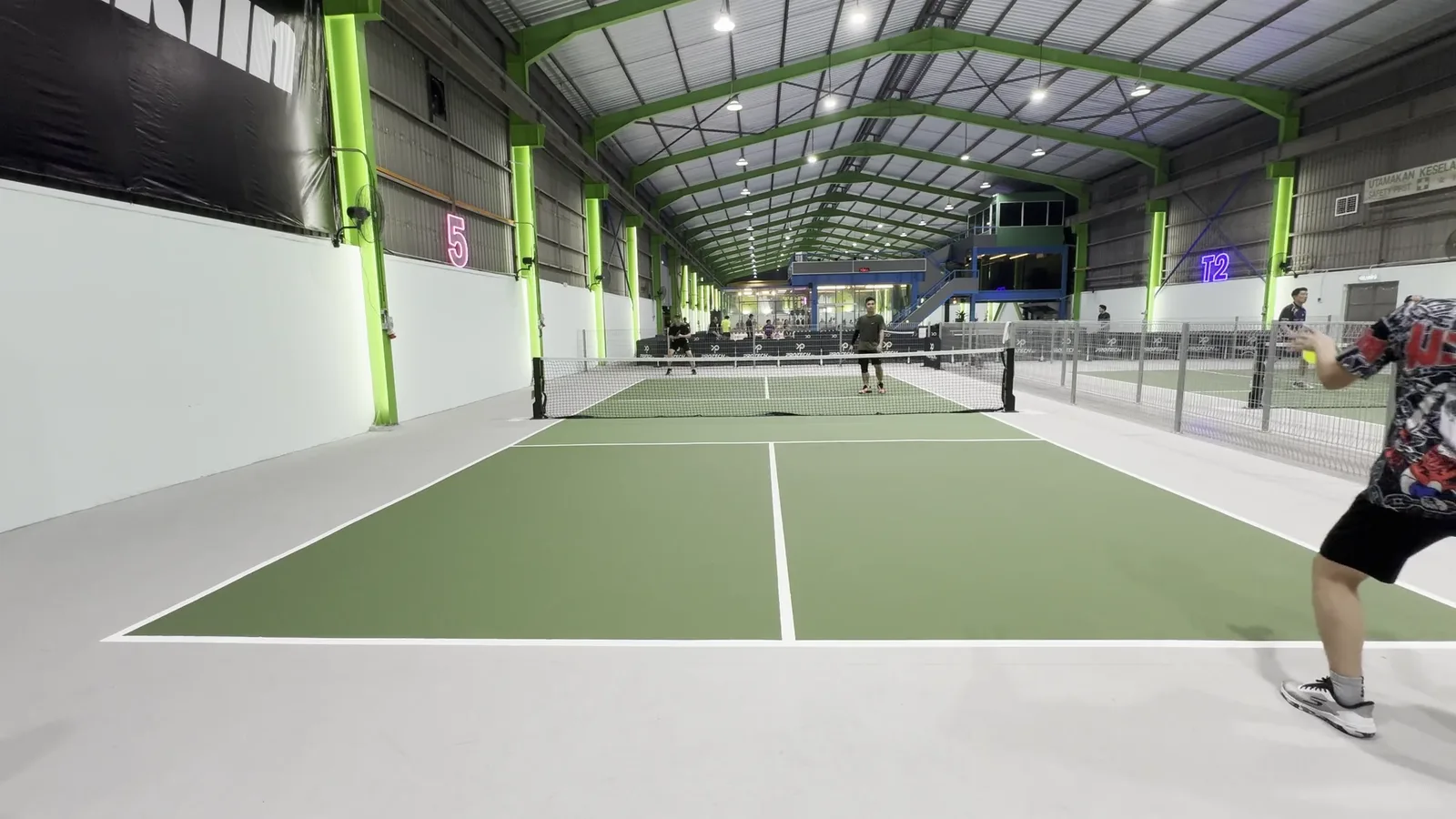
What the camera saw
Rebuilt in 3D
Where each player stood
Rebuilding…
In development. The AI proposes; a referee confirms.Footage: Thirstday Pickleball — Vernon Chan, CC BY
What the camera saw
Rebuilt in 3D
Where each player stood
In development. The AI proposes; a referee confirms.Footage: Thirstday Pickleball — Vernon Chan, CC BY
How far did each player run?
In developmentOne court camera maps where each player stood, how far they ran and how fast. A 40 s demo clip with 2 rallies, so most numbers are indicative.
A left
1920 framesDistance in play14.9mIndicativeTop speed4.12m/sIndicativeSpeed in play, p903.26m/sIndicativeCourt position38%TransitionIndicativeNetBackKitchen arrival1 of 1IndicativeA right
2000 framesDistance in play10.5mIndicativeTop speed3.12m/sIndicativeSpeed in play, p902.05m/sIndicativeCourt position70%Kitchen lineIndicativeNetBackKitchen arrival—UnreliableB left
2391 framesDistance in play18.4mIndicativeTop speed4.17m/sIndicativeSpeed in play, p903.23m/sIndicativeCourt position47%TransitionIndicativeNetBackKitchen arrival0 of 1IndicativeB right
2043 framesDistance in play11.6mIndicativeTop speed3.59m/sIndicativeSpeed in play, p902.75m/sIndicativeCourt position27%Kitchen lineIndicativeNetBackKitchen arrival—Unreliable
Friday 21:40 to Saturday 18:05
Three courts, about forty matches, sixty-odd names and a few volunteers. This is what the system does along the way.
21:40Fri
The draw is built.
Courts, pairs and groups go into the host desk, or the organiser's spreadsheet is read into a draft you check first. Round-robin fixtures generate in one step.
08:30Sat
Check-in at the desk.
Mark pairs as they arrive. A pair that doesn't turn up forfeits the matches they haven't played, and the draw moves on.
09:00Sat
First serve on three courts.
Volunteers open the referee page and enter the event code and their name. No accounts, nothing to install. Short on volunteers? Your host account can score a court itself.
11:20Sat
Court 4 loses the wifi.
The last official call stays on the phone and on the board, marked as updating. Nothing is invented while it reconnects.
14:00Sat
The standings fill the bracket.
Every pair plays every pair in its group, and win–loss and point difference update with each saved call. The top two go straight into the semi-finals, then the final and a match for third place.
17:30Sat
Prize-giving on the big screen.
From your phone, switch the venue TV from live play to the bracket, a break countdown or a full-screen announcement.
18:05Sat
The results are already final.
Every completed match is in each player's history before the nets come down. Nobody types the results up again that night.
Which side of the net are you on?
Asked before every first tournament.
All questionsWhat is Asia Pickleball?
Asia Pickleball is a pickleball tournament system for clubs in Hong Kong and across Asia. The host runs entries, the draw and the courts from one host desk; referees score on their own phones with an event code; players and spectators follow the official score on one public live board. Every screen is in English and Traditional Chinese.
Do referees need accounts?
No. A referee opens the phone page, enters the event code, and types the name you will see beside their court. There is nothing to install and no password to reset on a Saturday morning.
What if the wifi drops mid-game?
The last official call stays on screen — on the referee's phone and on the public board — and the board says it is updating. Nothing is invented while it reconnects.
How big a day does this handle?
It is built for a club day: several courts, dozens of matches, and whatever phones your volunteers already carry.
How do I enter a tournament?
Find it under Tournaments, sign in to the player app and apply. The host confirms entries onto the roster.
Your first draw takes one evening.
Create a host account, add the event on the desk — name, date and club — and share one link. Players install nothing.